
Success Coaching & Habit Programs
Make habits and progress routines legible before the next board room — Oplex Bureau.
The studio links research, facilitation, and operational notes so strategy survives contact with work Oplex Bureau, West Beverleychester.
This site covers our practice in Success Coaching & Habit Programs. We hold scope close to execution, surface assumptions early, and make the next step visible before it becomes a handoff problem.
Success Coaching & Habit Programs
Time zones, holidays, and committee calendars kill more initiatives than competitors do. When we plan an engagement around Success Coaching & Habit Programs work, we schedule the frictions first and fit the work into what remains, rather than pretending the calendar will cooperate.
A short document that is read beats a long document that is admired. Our deliverables are built to be read once and acted on: a page of context, a page of decisions, a page of what happens next, and an appendix for those who want the workings.
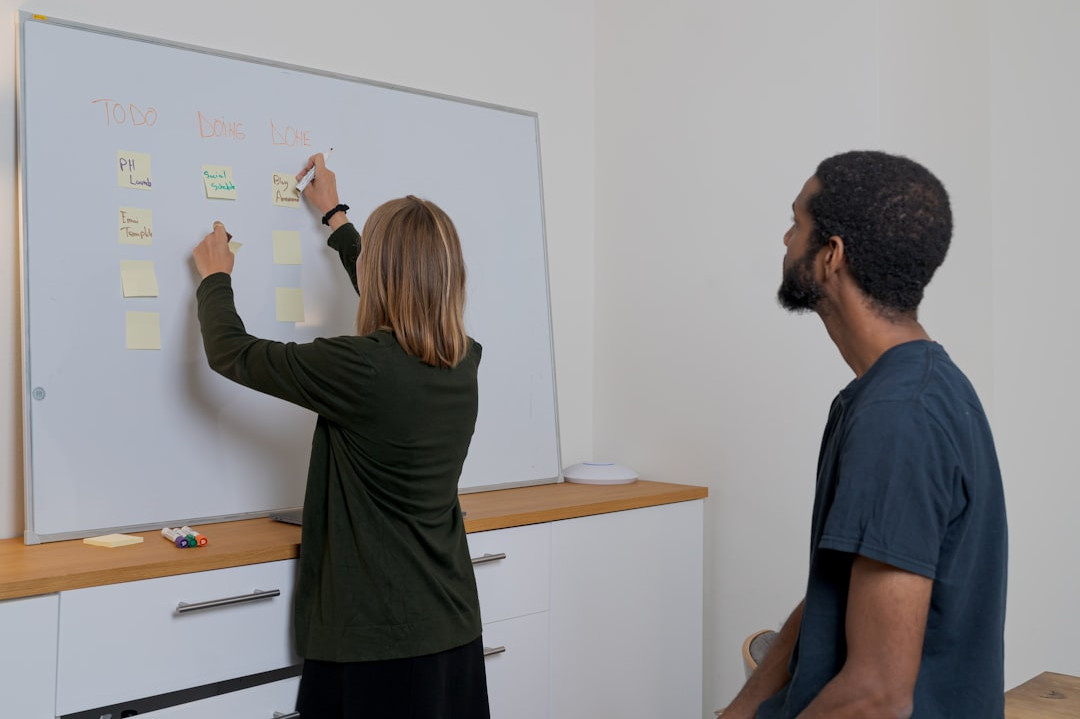

Weekly momentum studio
Weekly momentum studio frames habits and progress routines through a named lane 1.
Goal friction scan
Goal friction scan frames habits and progress routines through a named lane 2.
Accountability map
Accountability map frames habits and progress routines through a named lane 3.
Reflection sequence
Reflection sequence frames habits and progress routines through a named lane 4.
How It Works
Weekly momentum studio
We would rather disappoint you on day one than on day forty. If the question you bring sits outside what we practise in Success Coaching & Habit Programs, we say so during the first call and, where we can, name someone who practises it well. That honesty costs us work and earns us the work that matters.
Goal friction scan
The practice at Oplex Bureau grew out of a simple observation: most teams in Success Coaching & Habit Programs do not fail for lack of talent, they fail for lack of a record. Our Weekly momentum studio, Goal friction scan, Accountability map, Reflection sequence are built around fixing that, and the West Beverleychester office keeps every engagement anchored to named decisions rather than vague momentum.
Accountability map
A decision that cannot be traced will be relitigated. We write decisions down while they are being made — the evidence, the alternatives, the owner — because a defensible history is the fastest way for a team to stop arguing about its past and start working on its future.
Client voices
They gave our meeting a usable map instead of another polished fog.
The evidence trail changed how our teams handed decisions over.
Small rooms, sharp notes, and a plan we could operate.
When a new client arrives with a stalled initiative, the first session rarely touches the initiative itself. We look instead at how choices were made, who owned them, and where the trail goes cold. That diagnostic habit shapes everything we deliver.
At the end of an engagement we hold a closing session with no agenda except the client’s questions. It is often the most valuable hour of the work, because it is the moment the record we built together becomes the record they will use alone.